

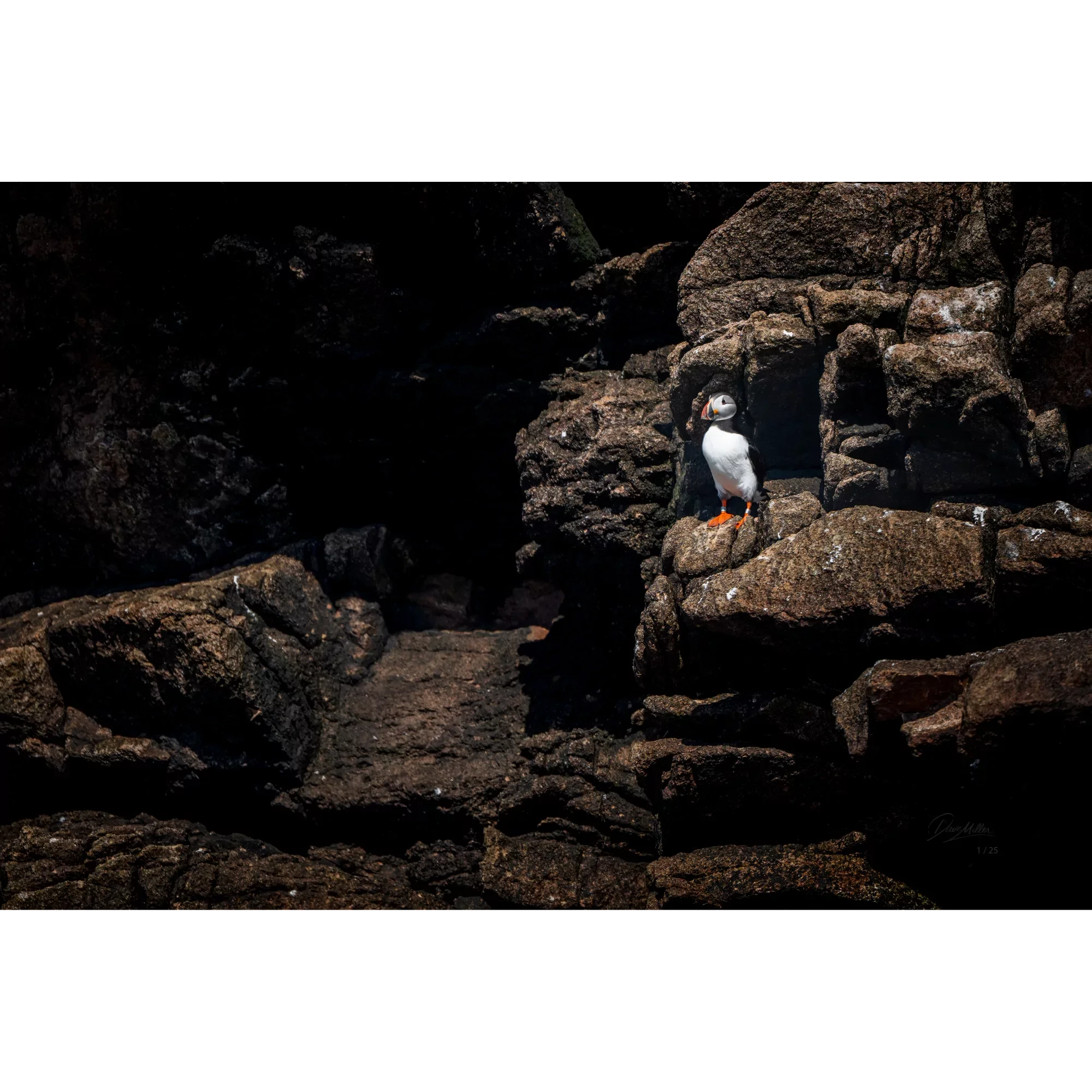
LIMITED EDITION
Petit Manan Island, Maine - 2024
An atmospheric portrait of an Atlantic Puffin perched among dark coastal rock, photographed on the remote island cliffs of Petit Manan.
Wildlife photography is more than just pressing the shutter when an animal comes into view. The difference between a snapshot and a great photograph lies in the details—the choices we make as photographers and the moments we choose to preserve. Over the years, I’ve learned that four elements consistently elevate wildlife images: composition, environment, subject, and behavior.
Composition: Creating Balance and Flow
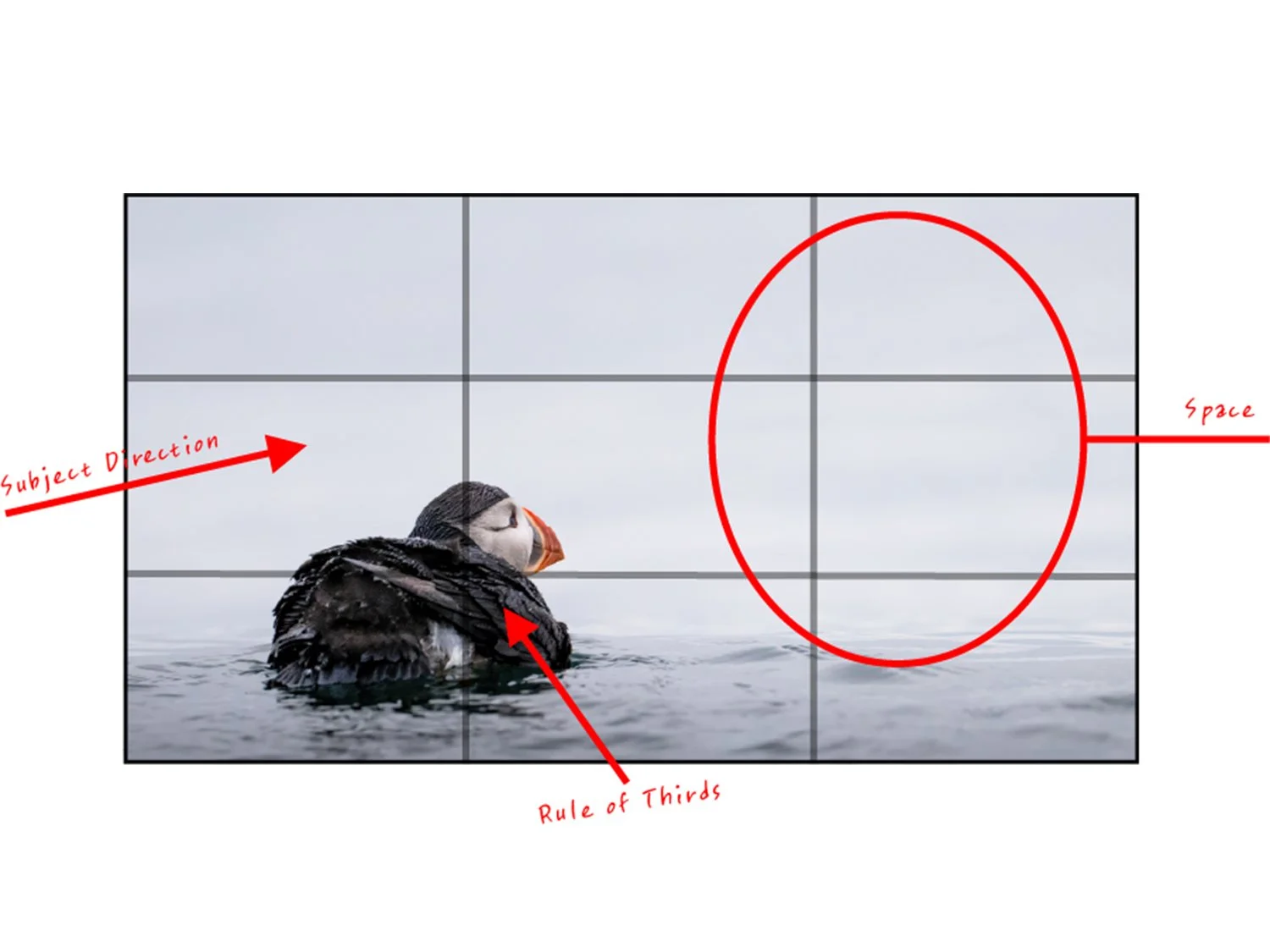
At its heart, photography is storytelling through design. Strong composition guides the viewer’s eye, creating a sense of balance and harmony in the frame. Techniques like the rule of thirds, leading lines, or using natural frames (like branches or tall grasses) can help highlight the subject without overwhelming the scene. Good composition doesn’t just organize the photograph—it directs emotion, drawing the viewer into the animal’s world.
*Note this image is illustrating rule of thirds and rule of space.
Environment & Background: Setting the Stage
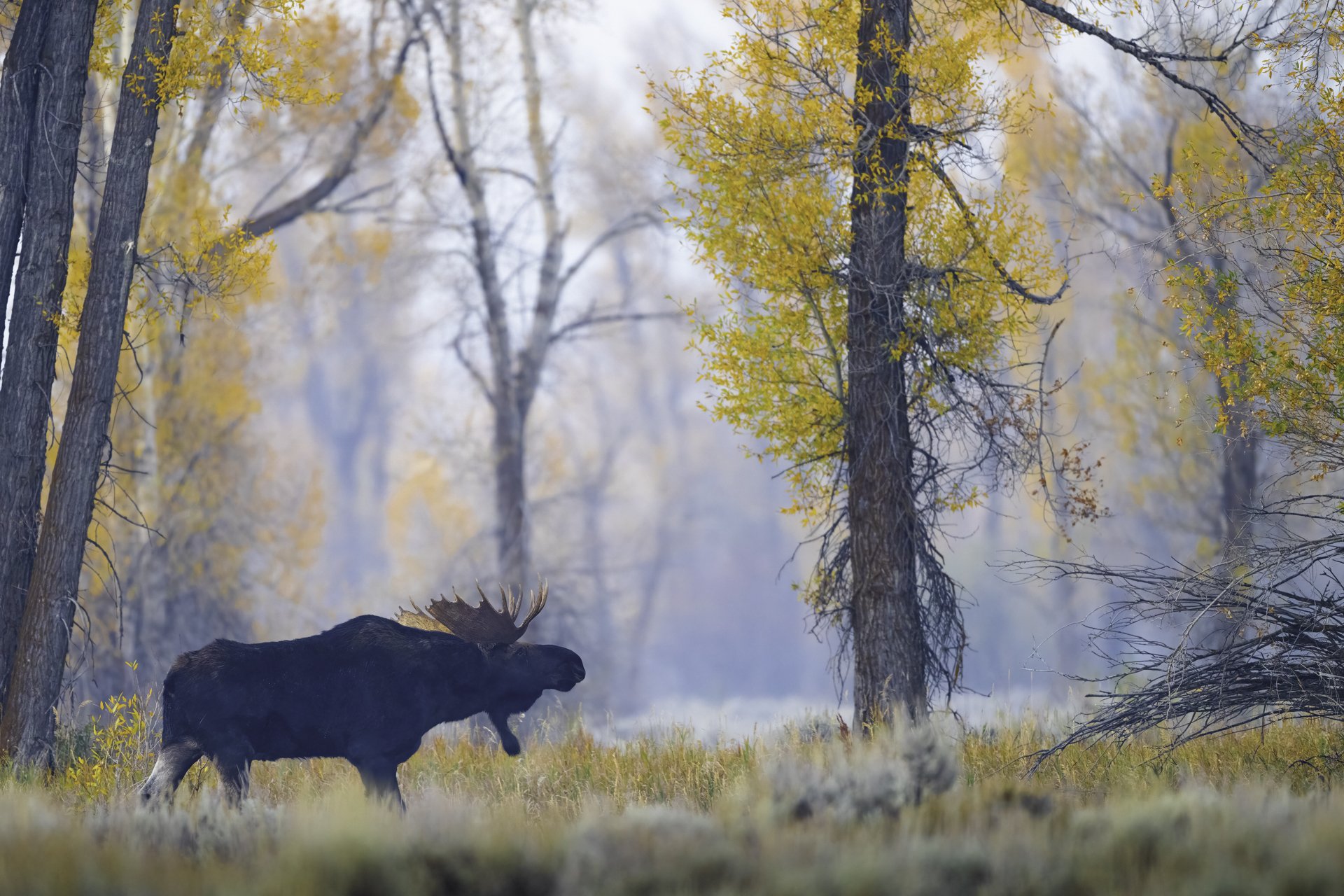
A great wildlife photo isn’t just about the animal—it’s about where that animal lives. The environment tells half the story. A snow-covered ridgeline behind a bighorn sheep, the golden grasses surrounding a black bear, or the vast ocean backdrop of a puffin adds context and depth. Just as important is minimizing distractions: clean backgrounds or softly blurred surroundings help the subject stand out while still showing the wild world they inhabit.
Subject: Character and Presence
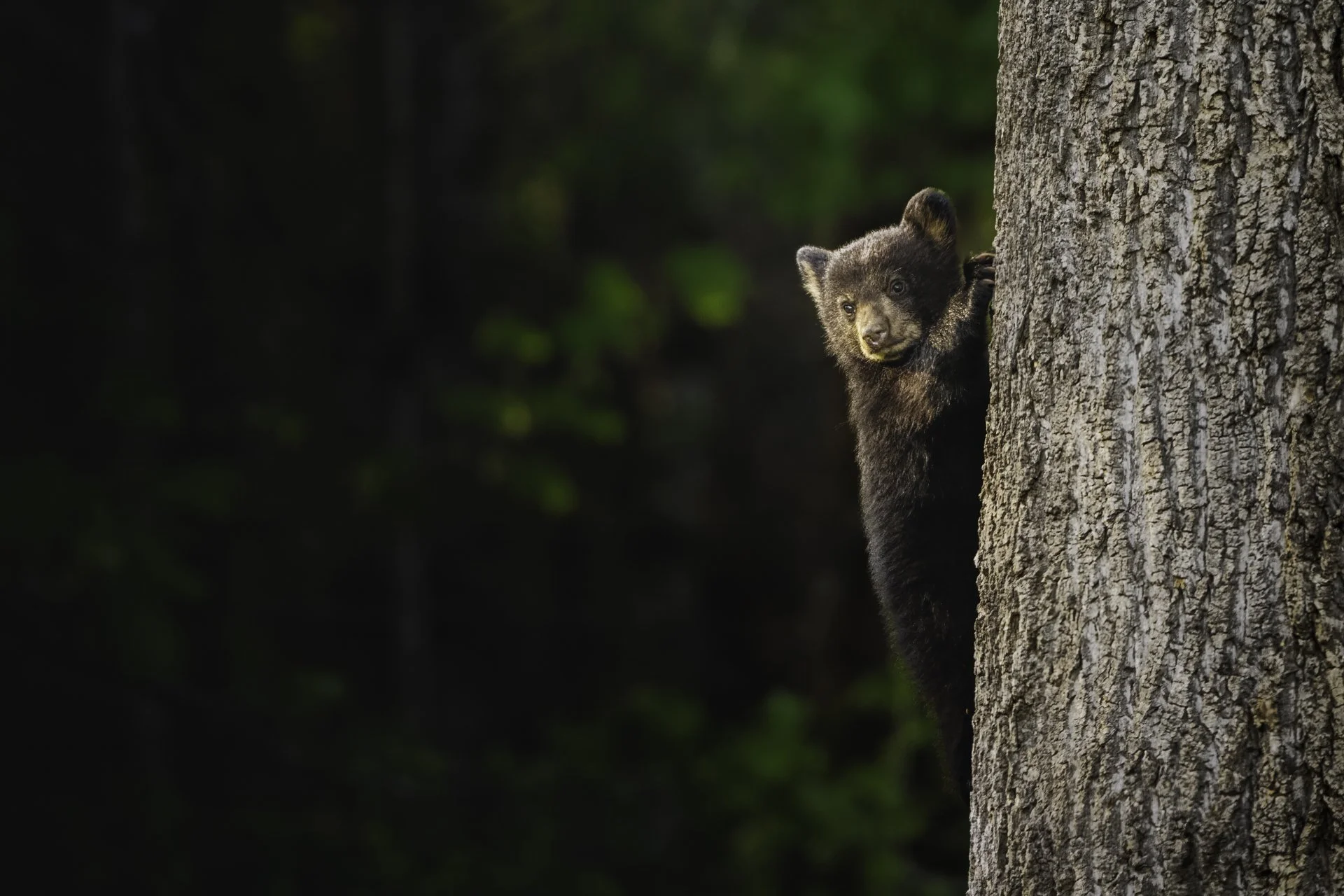
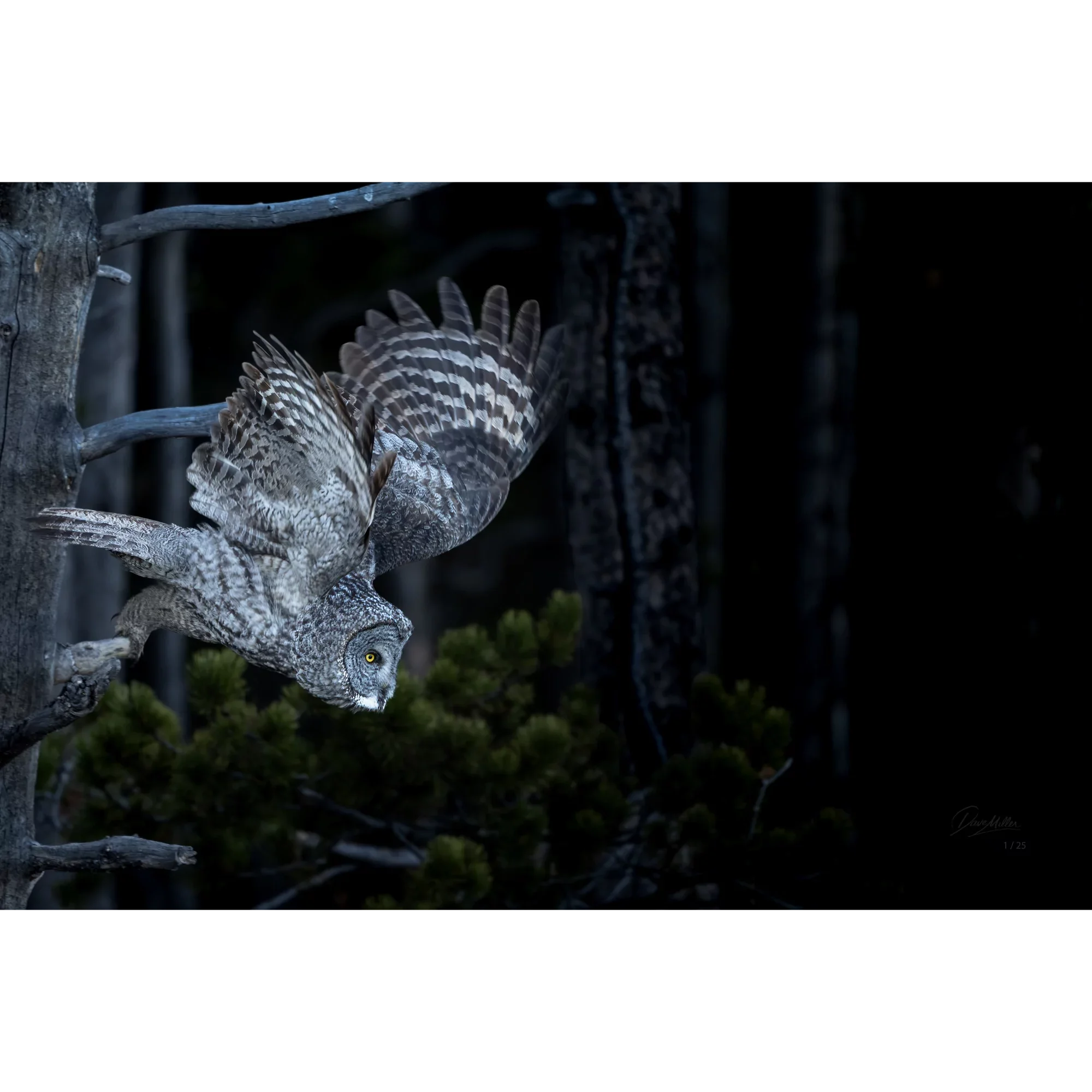
Every species has a unique character, and great wildlife photography captures that essence. Whether it’s the piercing eyes of an owl, the graceful stride of a moose, or the alert curiosity of a fox, the subject should convey a sense of presence. Patience is essential here—waiting for the right posture, expression, or interaction often makes the difference between a forgettable image and one that captivates. Each image should have a clear subject that draws the viewers eye.
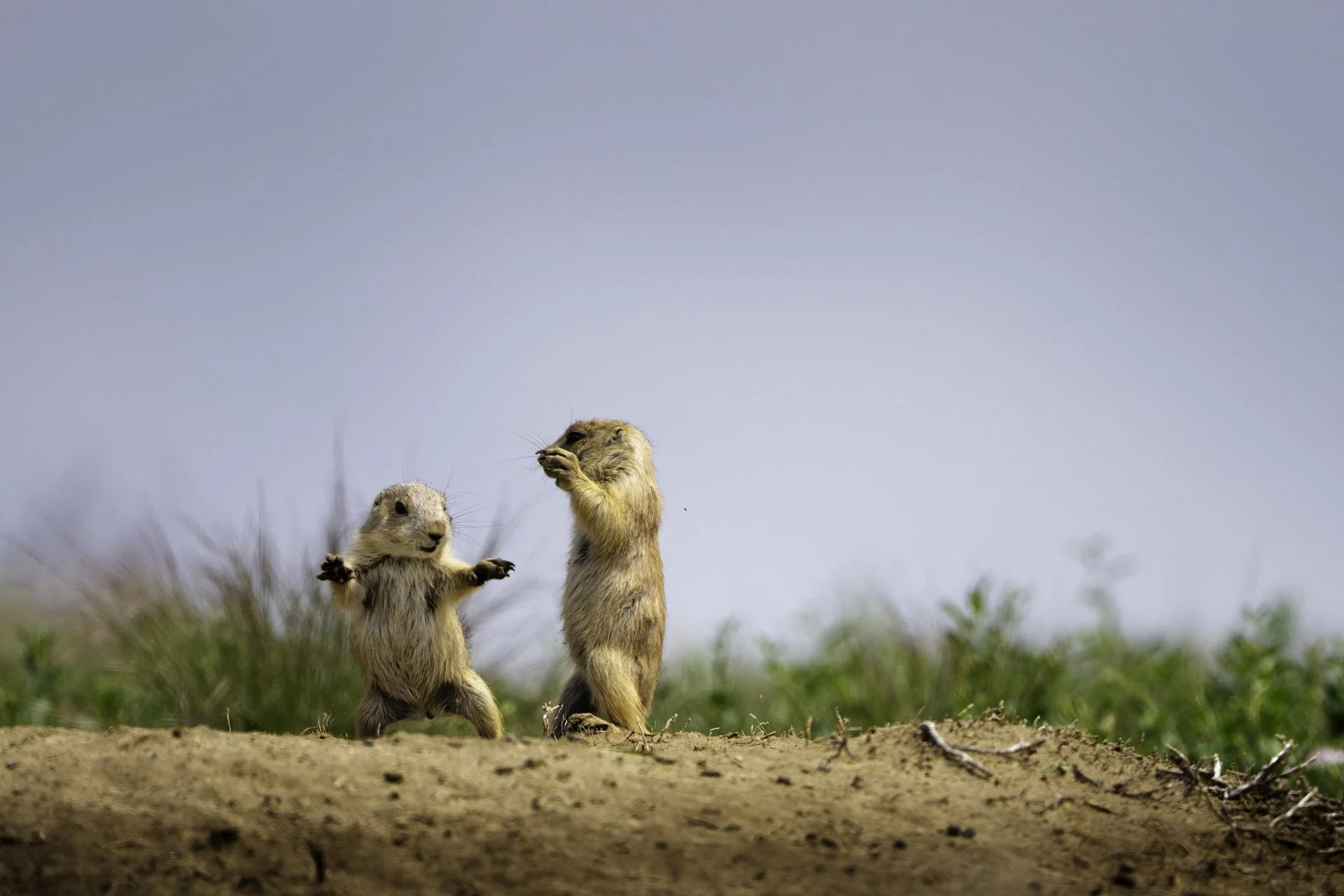
Behavior: The Moment of Truth
What truly brings a wildlife image to life is behavior. A photo of a wolf simply standing is interesting, but a wolf howling into the morning mist tells a story. Capturing action—whether it’s hunting, feeding, playing, or interacting with others—reveals the animal’s natural rhythms and connects us to its wildness. Behavior shows us not just what an animal looks like, but who it is.
The Art and Responsibility of Wildlife Photography
When these four elements—composition, environment, subject, and behavior—come together, the result is more than a photograph. It’s an intimate glimpse into another life, a reminder of the beauty and fragility of the natural world. As photographers, we have the privilege and responsibility to capture these moments ethically, without disturbing the wildlife we love. Great wildlife photos inspire us, but they also remind us why conservation matters.
Explore Gallery

LIMITED EDITION
Great Smoky Mountains National Park, Tennessee
May 2026
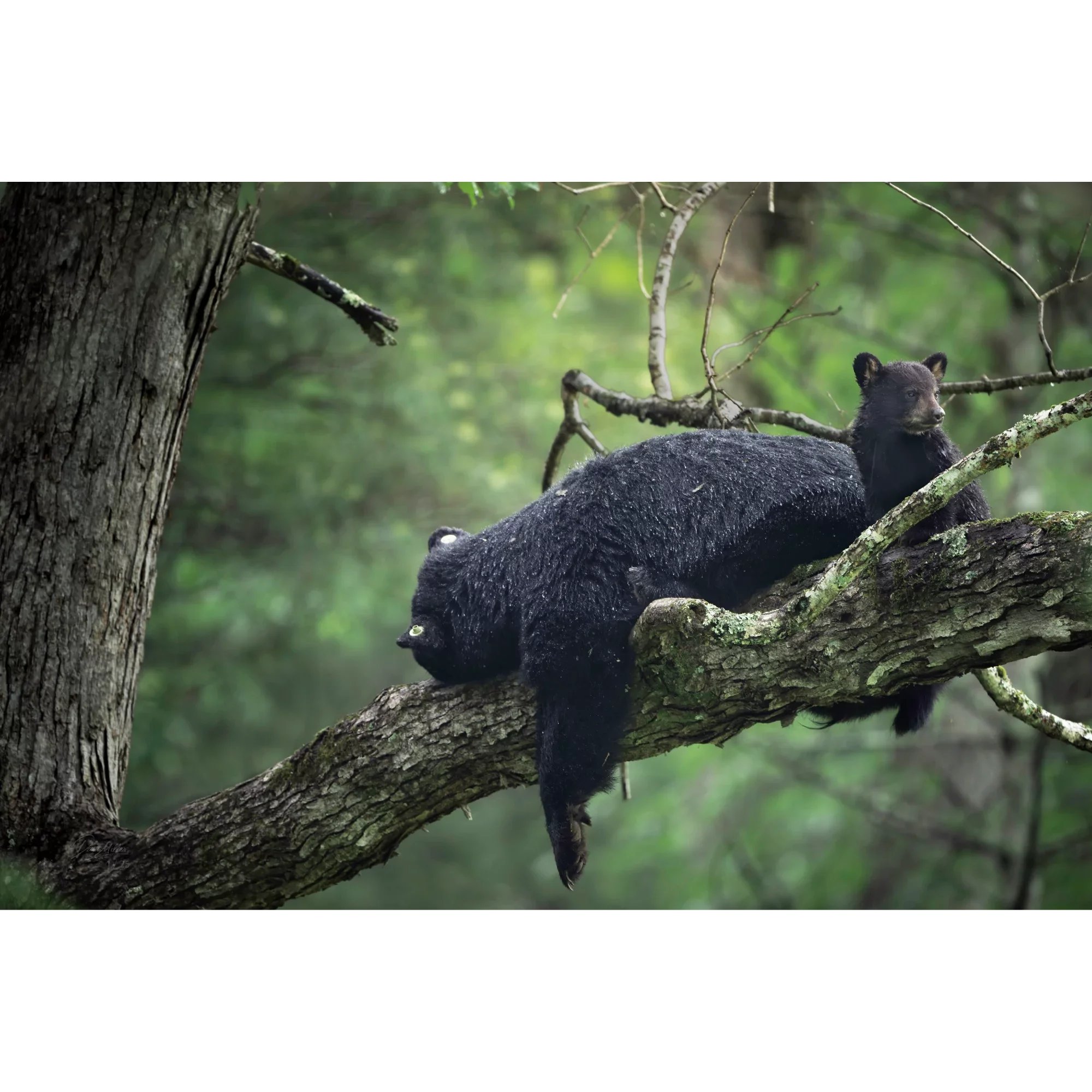
A quiet encounter with a young black bear at the edge of a spring meadow, photographed during the final moments of evening light.