

Field Note: Silent Vigil

Opening Moment
The Tetons rarely stay the same for very long.
Clouds gather and disappear without warning. Light shifts across the peaks in waves. Entire mountains vanish behind weather before slowly emerging again through breaks in the storm. Some days the range feels impossibly sharp and defined. Other days it becomes little more than shape and atmosphere.
This was one of those atmospheric days.
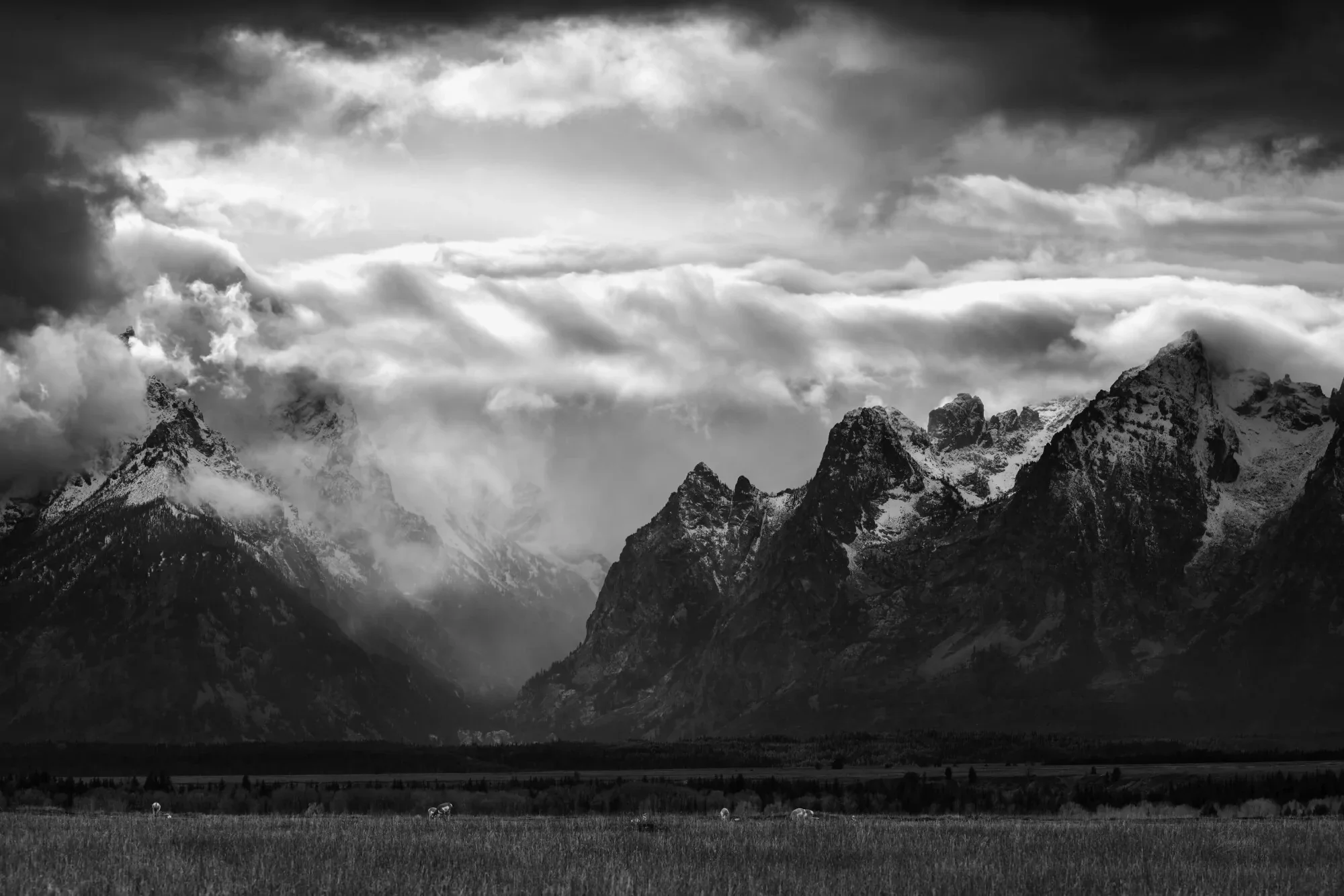
By late afternoon, cold wind had begun pushing a storm system across Grand Teton National Park. Earlier in the day the mountains had briefly opened beneath softer mid-day light, but by the time we returned to the valley the clouds had started rolling heavily over the peaks again.
The field was almost completely silent.
No crowds. No traffic noise. Only occasional wind moving across the grasslands below the mountains.
In the distance, a small herd of pronghorn grazed quietly beneath the approaching weather.
The Encounter
I spend time in the Tetons and Yellowstone every October photographing wildlife and landscapes. It’s one of my favorite times of year in the American West — colder weather, shifting storms, migrating wildlife, and a landscape constantly moving between calm and severity.
Earlier that morning we had stopped near this same location because bison were feeding in the valley and I thought the mountains might create an interesting backdrop. But the weather never fully aligned and we eventually moved on.
Later that afternoon, everything changed.
As we returned, clouds had begun spilling over the peaks while strong highlights briefly broke through sections of the storm. The weather in the Tetons can shift incredibly quickly, and the luminous breaks in the clouds only lasted a matter of moments.
As soon as I stepped into the field, I knew the scene was temporary.
I quickly set up the tripod and began working through compositions while the clouds rolled slowly across the mountains. What struck me most was not the drama of the storm itself, but the stillness beneath it. The pronghorn continued grazing calmly while massive cloud formations gathered above them, seemingly unconcerned by the approaching weather.
There was something deeply peaceful about that contrast.
Not dramatic.
Not threatening.
Just patient endurance.
What Drew Me to the Scene
The clouds were what initially pulled me into the image.
They moved almost like ocean waves spilling over the Tetons, catching light unevenly as they rolled across the peaks. The contrast between the illuminated clouds and the darker mountains immediately felt cinematic, but what kept the scene emotionally interesting to me was the stillness beneath it.
The small herd of pronghorn became an important part of that balance.
At first, I actually wished they were slightly larger in the frame. Over time though, I came to appreciate their distance and scale within the landscape. Their small presence against the mountains reinforces the feeling of quiet endurance that ultimately shaped the image.
Movement above.
Stillness below.
That contrast became the emotional center of the photograph.
I’m often more interested in quieter atmospheric moments than traditional “perfect light” landscape photography. The American West is frequently photographed through spectacle — vivid color, dramatic sunsets, extreme weather — but the moments that stay with me most are often quieter and more reflective.
This scene felt deeply connected to what eventually became the Quiet Earth collection: images rooted less in grandeur and more in emotional atmosphere, silence, and presence.
As soon as I saw the weather and tonal contrast developing across the mountains, I knew the image needed to become black and white. Removing color simplified the emotional experience and allowed the luminance of the clouds, the texture of the mountains, and the calmness of the valley to carry the image.
For me, the photograph was never really about the storm.
It was about the silence beneath it.
Behind the Image
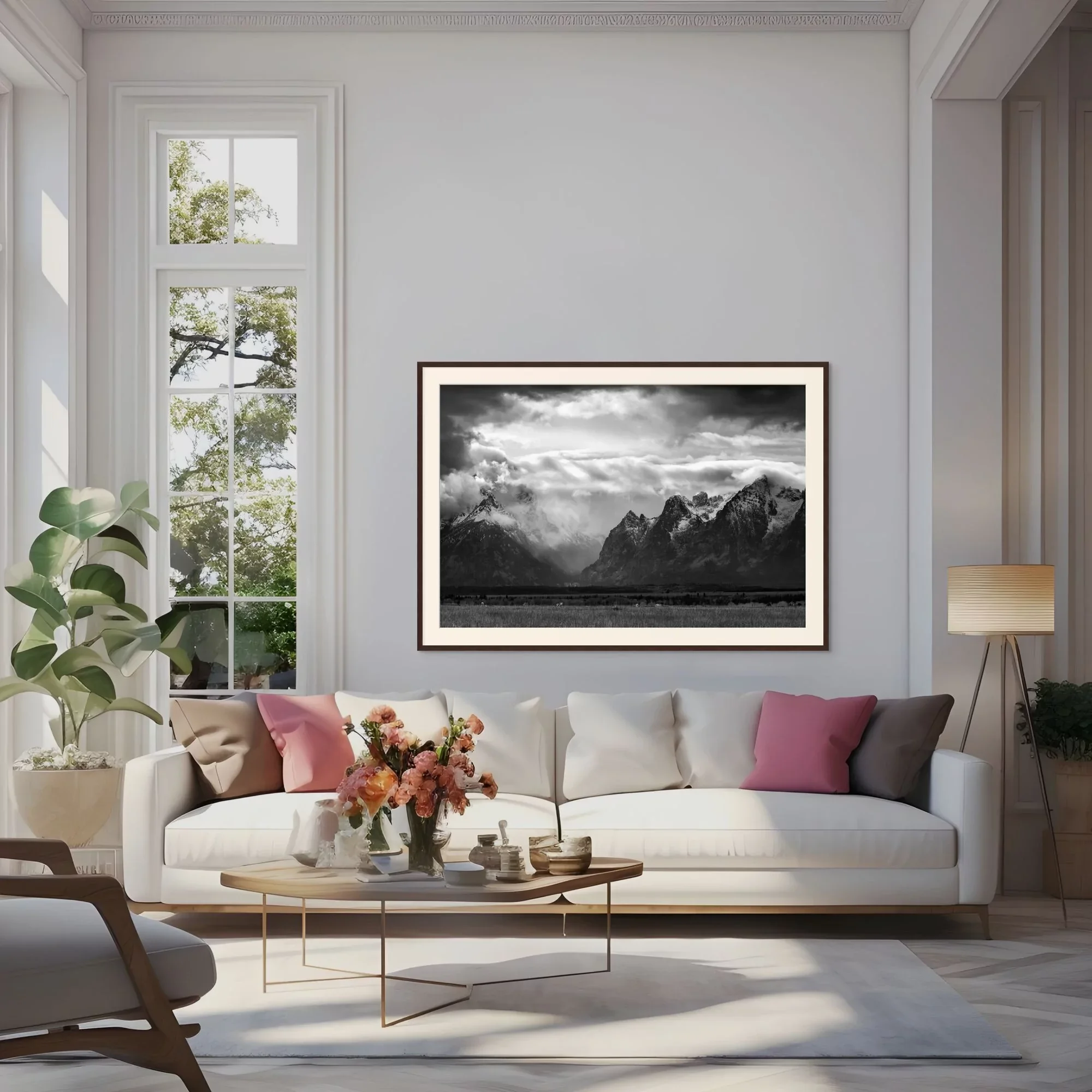
Silent Vigil was photographed in Grand Teton National Park in October 2025 during an incoming storm system moving across the range.
The image was created using a bracketed sequence of three exposures in order to manage the extreme dynamic range between the bright clouds and the darker mountain faces. Even with modern cameras, the scene exceeded what a single exposure could comfortably capture while preserving detail in both the highlights and shadows.
The image was photographed at roughly 185mm, allowing the mountains and clouds to compress slightly while still preserving enough foreground space for the pronghorn and valley.
One of the more interesting aspects of the scene was how slowly the clouds moved over the mountains. Despite the incoming storm, the weather felt suspended in place for brief periods, almost as though the clouds were being caught along the peaks before eventually spilling deeper into the valley.
In post-processing, the most important step was balancing the exposure blend naturally while preserving the mood and tonal depth of the storm. From there, the image was shaped primarily through selective dodging and burning to emphasize the glow within the clouds while allowing portions of the mountains and foreground to remain dark and restrained.
The final goal was not simply drama.
It was atmosphere.
Featured Collection
Silent Vigil is part of the Quiet Earth collection — a body of work focused on the quieter emotional character of the natural world.
Rather than chasing spectacle or dramatic color, these images explore atmosphere, silence, weather, and the emotional weight of open landscapes. Storm light, shifting clouds, distant wildlife, and restrained tones all become part of a slower, more reflective experience of the land.
The Quiet Earth collection is rooted in the idea that wild places do not always need to feel dramatic to feel powerful.
Sometimes their greatest presence is found in stillness.
Explore the Quiet Earth collection to view additional fine art landscape and wildlife photography from Grand Teton National Park, Yellowstone, and the American West.
Closing Reflection
The longer I photograph the Tetons, the less interested I become in perfect conditions.
The mountains reveal themselves differently in storms, fog, overcast skies, and shifting weather. Those quieter moments often feel more honest to me than dramatic sunrise color or postcard light.
What stayed with me most from this afternoon was not the scale of the storm, but the calmness beneath it.
The pronghorn grazing quietly.
The silence of the valley.
The slow movement of clouds across the peaks.
There was a feeling of acceptance in the scene — a recognition that weather, light, and landscape move on their own terms regardless of our presence within them.
That feeling ultimately became Silent Vigil.
And in many ways, it also became part of what Quiet Earth means to me: not simply photographing landscapes, but photographing the emotional stillness that exists within them.
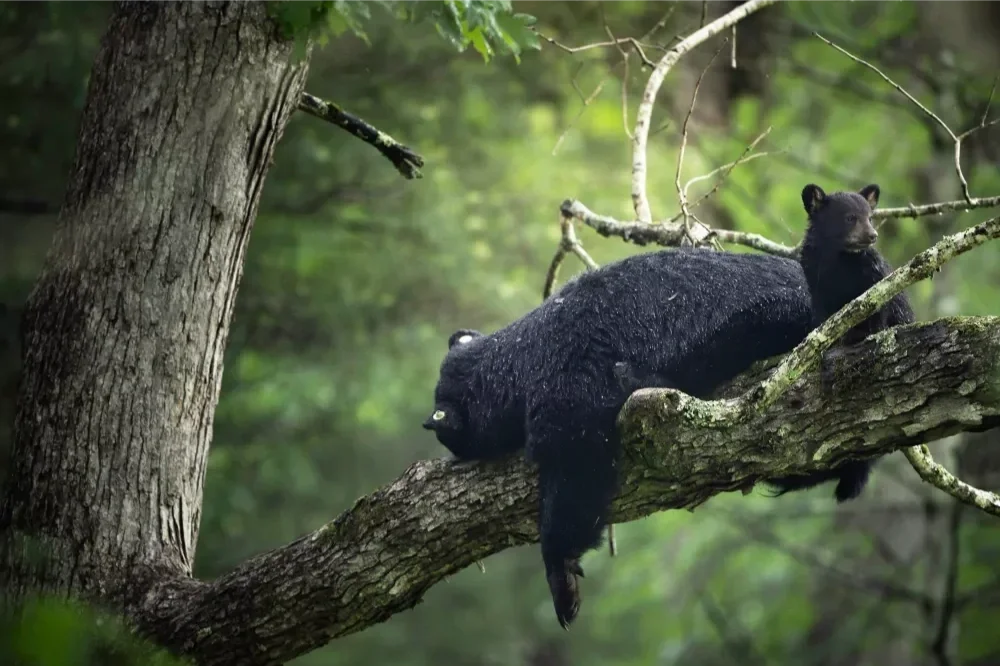
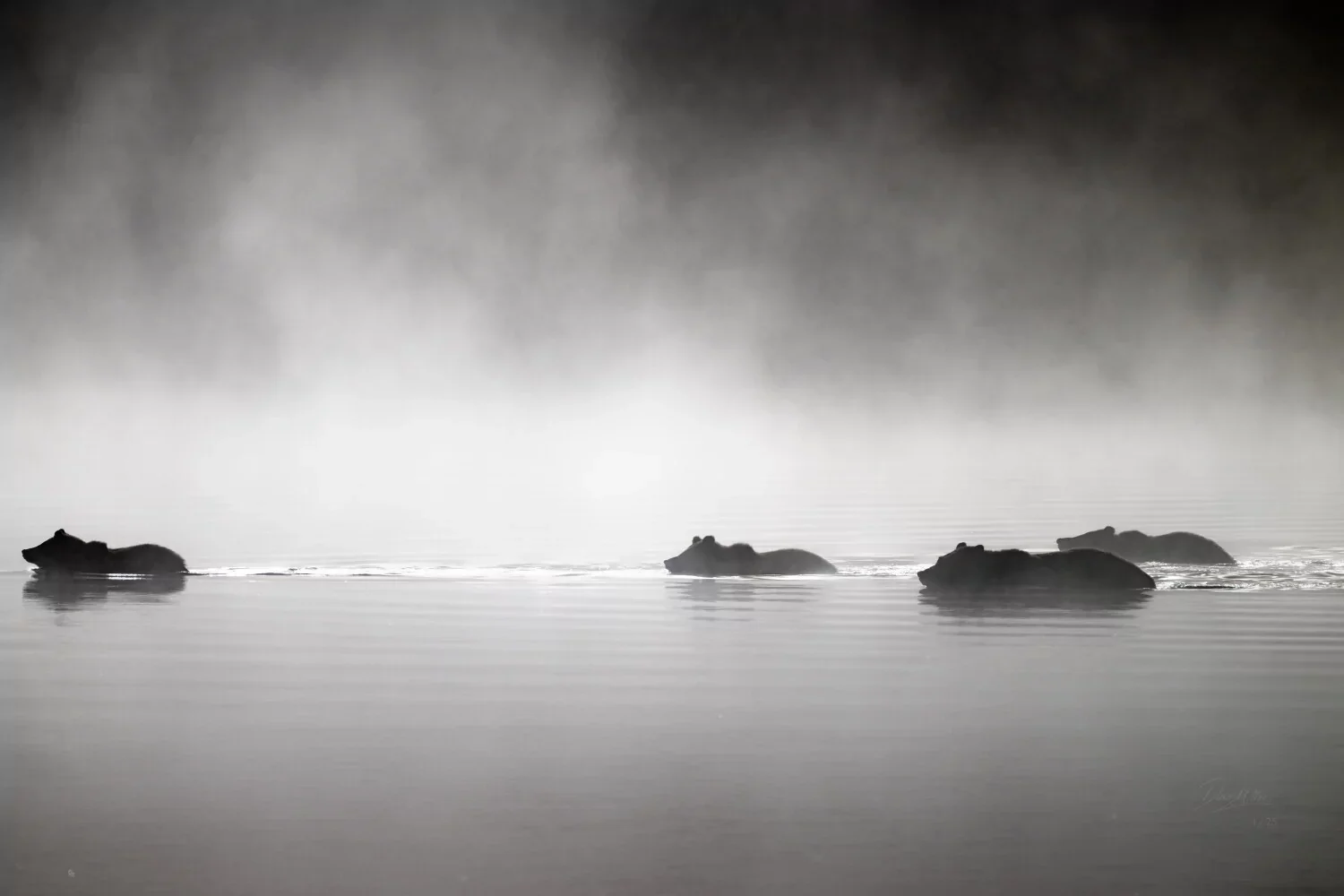
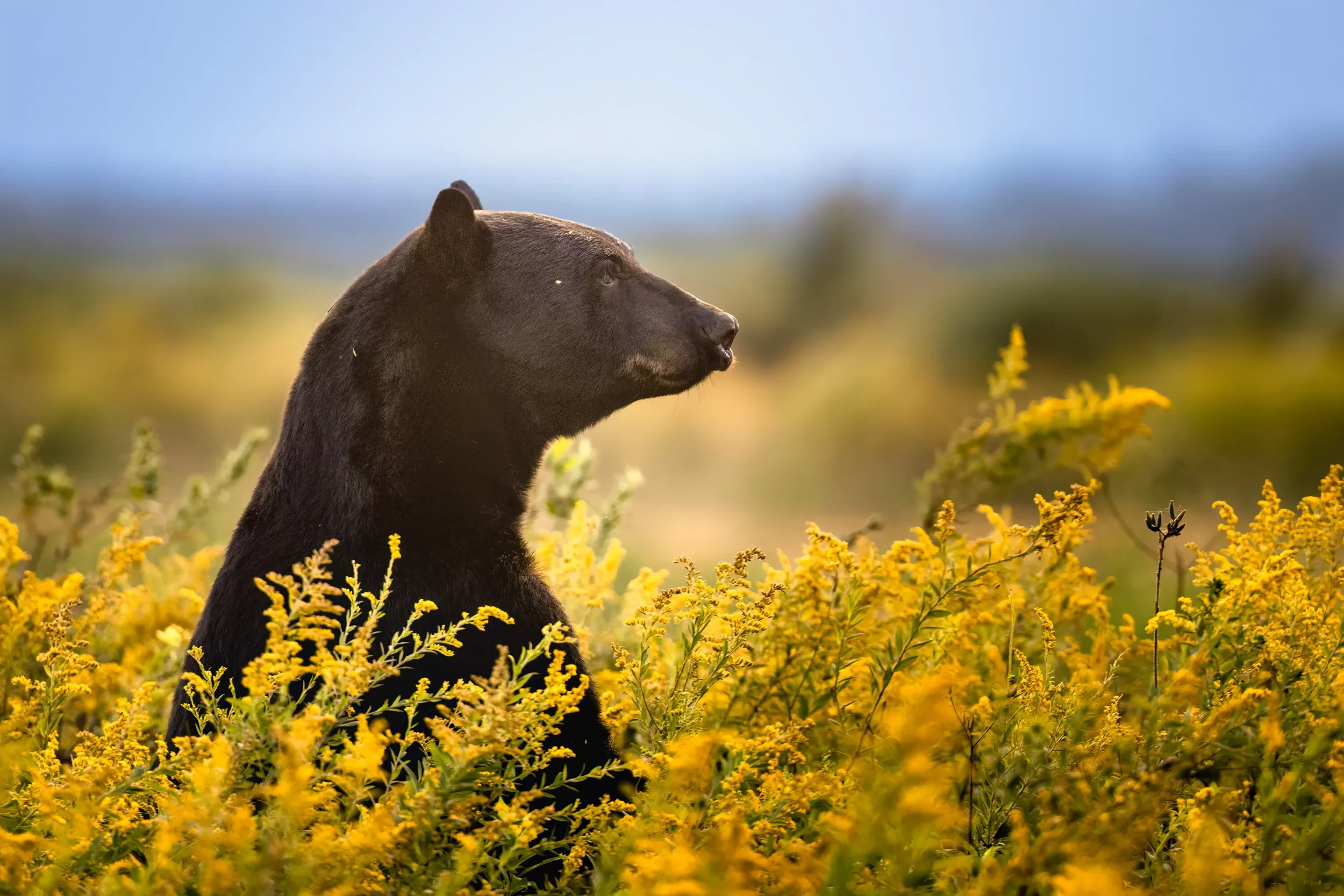

A young black bear cub pauses alone in the tall grass of Cades Cove as spring begins to give way to summer in the Smokies.
“Emerging” became a photograph about transition, independence, and the quiet moments wildlife photography can reveal if we slow down enough to notice them.