

The Quiet Wild

Learning to Photograph With Restraint
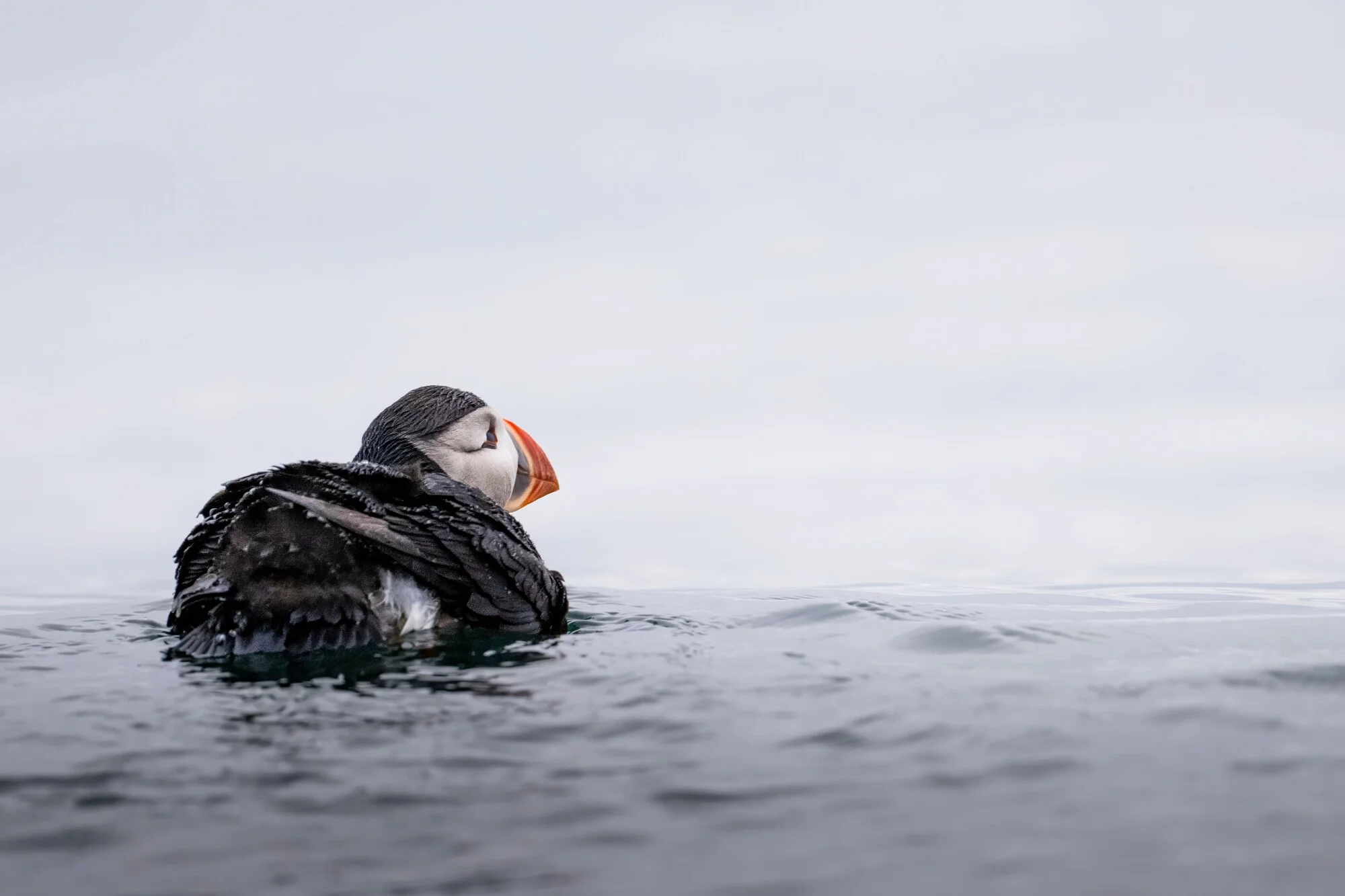
Learning to photograph with restraint is the practice of looking beyond the obvious image. For Dave Miller, it means simplifying the scene, honoring quiet moments, and creating photographs that hold atmosphere, emotion, and intention. This reflective essay explores how restraint shapes his approach to wildlife and nature photography, from ethical fieldcraft and quieter compositions to painterly light, weather, and the discipline of knowing when an image is finished.

Small Works — Why Smaller Art Can Have the Biggest Impact
Small artwork creates a different kind of connection — quieter, more personal, and woven naturally into everyday spaces. A reflection on intimate wildlife photography, collecting smaller works, and why scale isn’t what gives art its emotional impact.

Why Quiet Moments Matter in Wildlife Photography
Fine art wildlife photography is often associated with dramatic action and spectacle, but the quiet moments are often the ones that stay with us longest. Reflections on patience, stillness, emotional connection, and the natural world.

Designing Peaceful Spaces with Nature Photography
Nature photography can do more than decorate a room — it can shape how a space feels. Explore how atmospheric wildlife and landscape photography can create calm, reflective interiors inspired by the quiet beauty of the natural world.

What Makes a Great Wildlife Photo?
A great wildlife photo is more than a snapshot—it’s a story. In this article, I explore the four key elements that elevate wildlife photography: composition, environment, subject, and behavior. Together, they create images that inspire, connect us to the wild, and remind us why conservation matters.