
Field Note: Emerging
Opening Moment
The grasses were so tall I almost missed them entirely.
At first, all I could see was the sow feeding quietly through the meadow in the fading evening light of Cades Cove. It had been another hot day in the Smokies, one of several during a five-day stretch photographing black bears in late spring. The air still carried the warmth of the afternoon, though the valley was finally beginning to cool as the sun slipped behind the mountains.
Then suddenly, a small black shape rose above the grass.
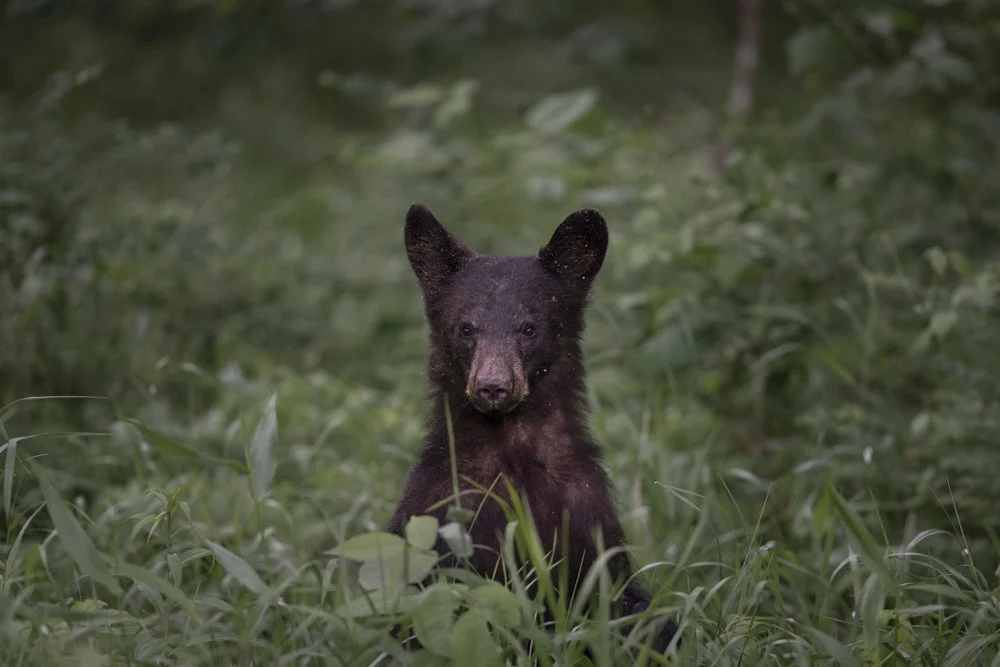
One of the yearling cubs had stood up to look around.
For a brief moment, the meadow opened just enough for me to see him clearly — alone, upright, surrounded by a sea of green.
That was the moment I knew the image might become something special.
The Encounter
We spent roughly twenty-five minutes watching the sow and her three yearlings feed through the tall grass before sunset. Most of the cubs stayed close together, disappearing and reappearing as they moved through the meadow, but this one behaved differently.
He wandered farther from the others.
Every few minutes he would drift away from his siblings, then rise briefly above the grass to check where the family was before continuing on his own again. The behavior felt subtle at first, but over time it became clear that this cub already carried a small sense of independence.
The Smokies in May are filled with these quiet transitions.
By early June, many of these yearlings will be pushed away by their mothers and forced to survive on their own. Spring in the mountains feels full of that tension — growth, separation, and the beginning of independence. There’s beauty in it, but also uncertainty.
Watching this cub stand alone in the grass, it was hard not to think about that.
What Drew Me to the Scene
What initially pulled me in wasn’t just the cub itself, but the environment around him.
The tall grasses softened and obscured the scene, creating layers that made the cub feel partially hidden within the landscape. I knew immediately that if he paused in the right posture, the meadow itself could become part of the emotion of the image rather than simply a background.
When he stood upright and looked directly toward me, everything came together for a few brief frames.
The centered composition felt important. Surrounded entirely by green, the cub seemed suspended in the landscape — small, isolated, but alert and aware. There was a quiet tension to it that felt deeply human.
The image eventually became titled Emerging.
Partly because the cub was physically emerging from the grass, but more importantly because he was nearing a far bigger transition: emerging into life on his own.
Behind the Image
This photograph was captured at 600mm in very low evening light near the end of the day. Because the grasses constantly obscured the cub, I had to work carefully with focus and timing while shooting at slower shutter speeds and higher ISO than I normally prefer.
What mattered most to me later during editing was preserving the softness and atmosphere of the encounter.
I intentionally muted the greens slightly so they wouldn’t overpower the cub, while warming the bear subtly to keep the eye drawn toward him. I also avoided cropping too tightly. The negative space and surrounding meadow were essential to the feeling of the image.
Without that breathing room, the photograph would lose much of its emotional weight.
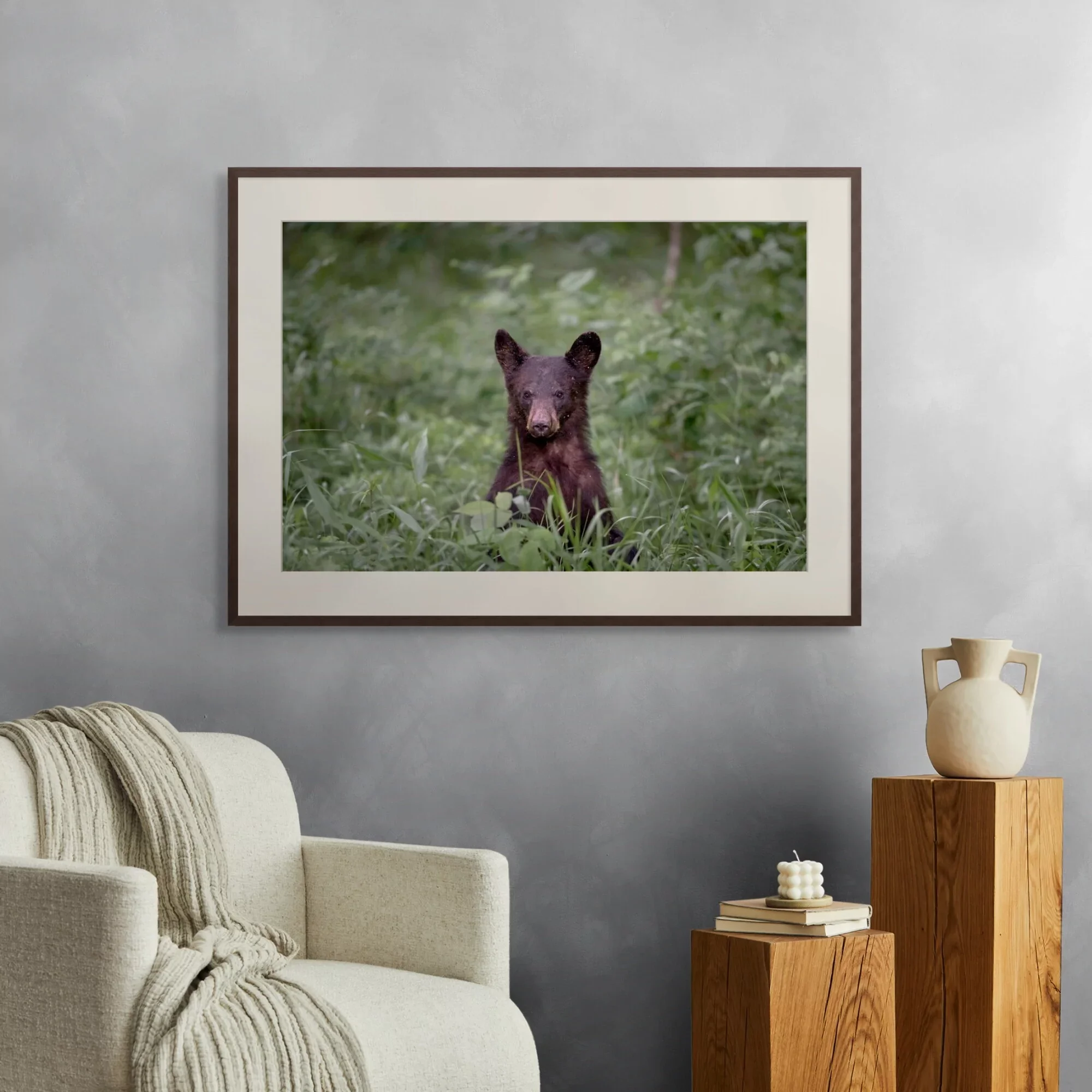
Featured Print — Emerging
There are moments in wildlife photography that feel dramatic immediately.
And then there are quieter moments that reveal themselves slowly over time.
Emerging became meaningful to me not because of action or rarity, but because it captured something emotionally recognizable — the uncertainty and independence that comes with stepping into the world alone for the first time.
That feeling exists far beyond wildlife.
Closing Reflection
One of the reasons I continue returning to the Smokies each spring is because the mountains are constantly reminding me that nature moves through cycles of transition.
The yearlings preparing to leave their mothers.
The forests shifting from spring into summer.
The quiet tension between dependence and independence.
Photographing wildlife has helped reconnect me to those rhythms in ways I never expected. In a world that often feels loud and disconnected, there’s something grounding about sitting silently in a meadow, watching a young bear stand alone in the grass as evening settles across the valley.
Moments like that don’t ask for attention.
They simply ask you to notice them.
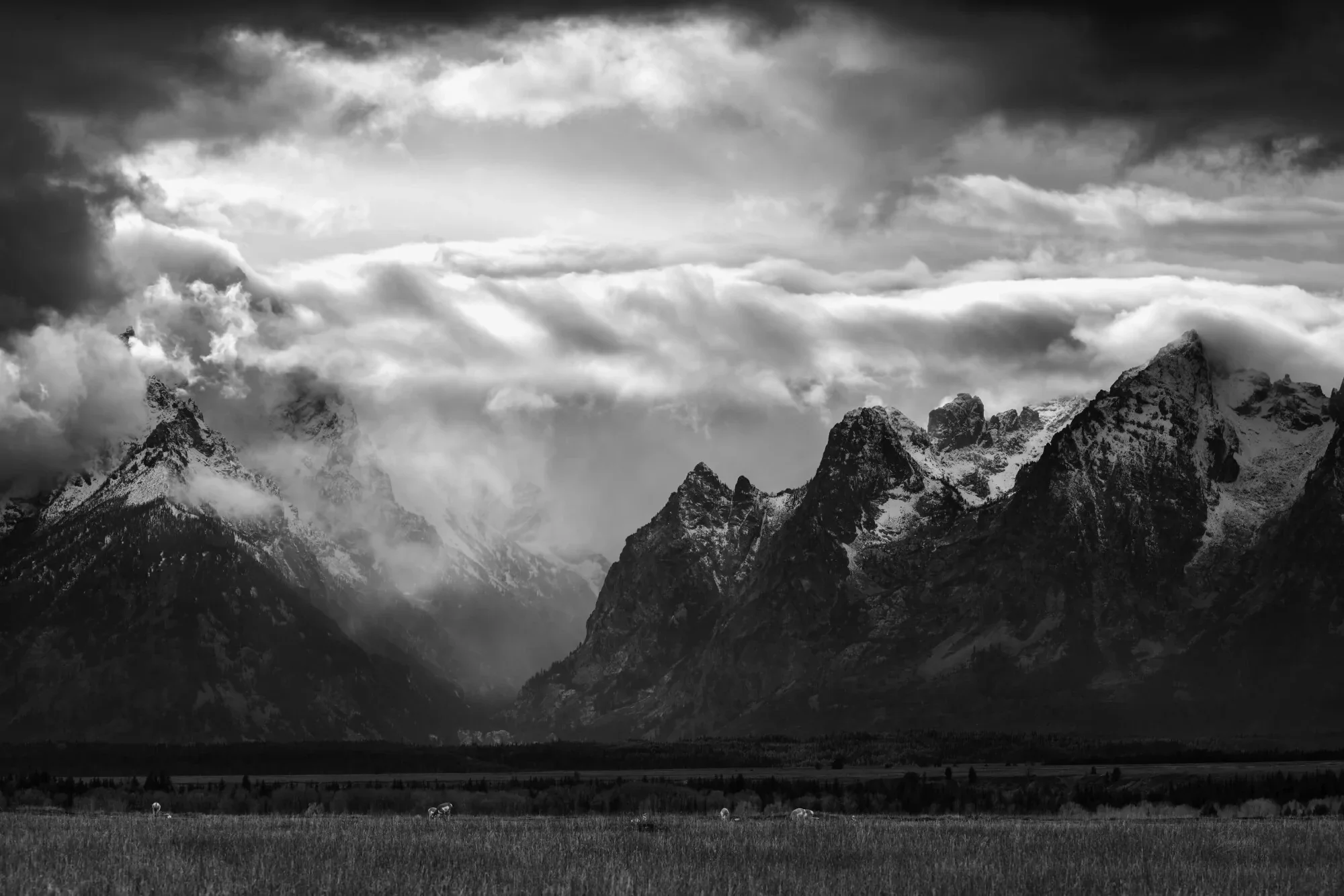
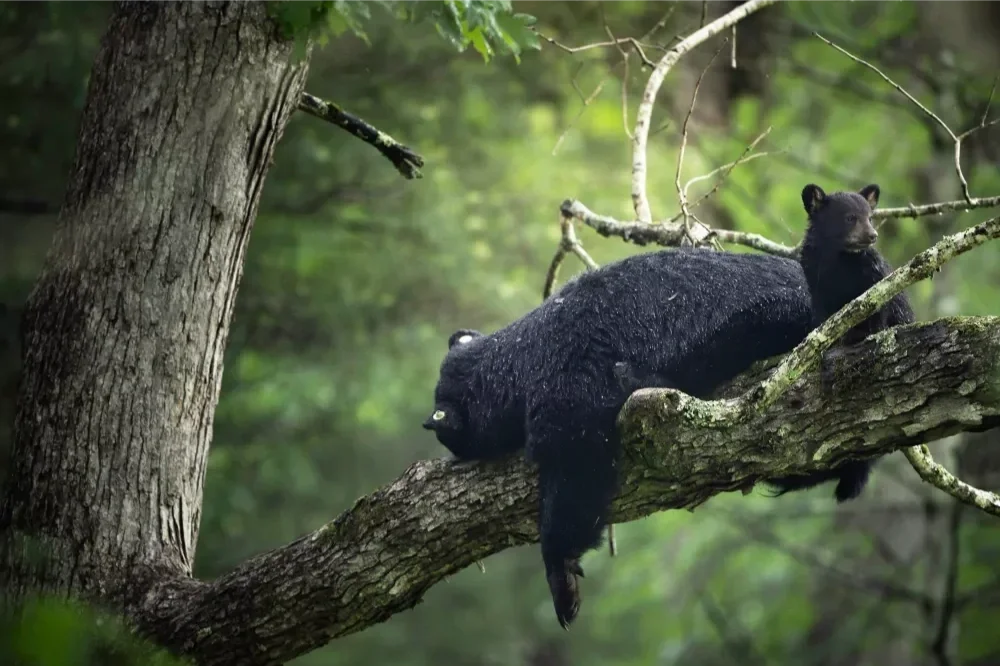
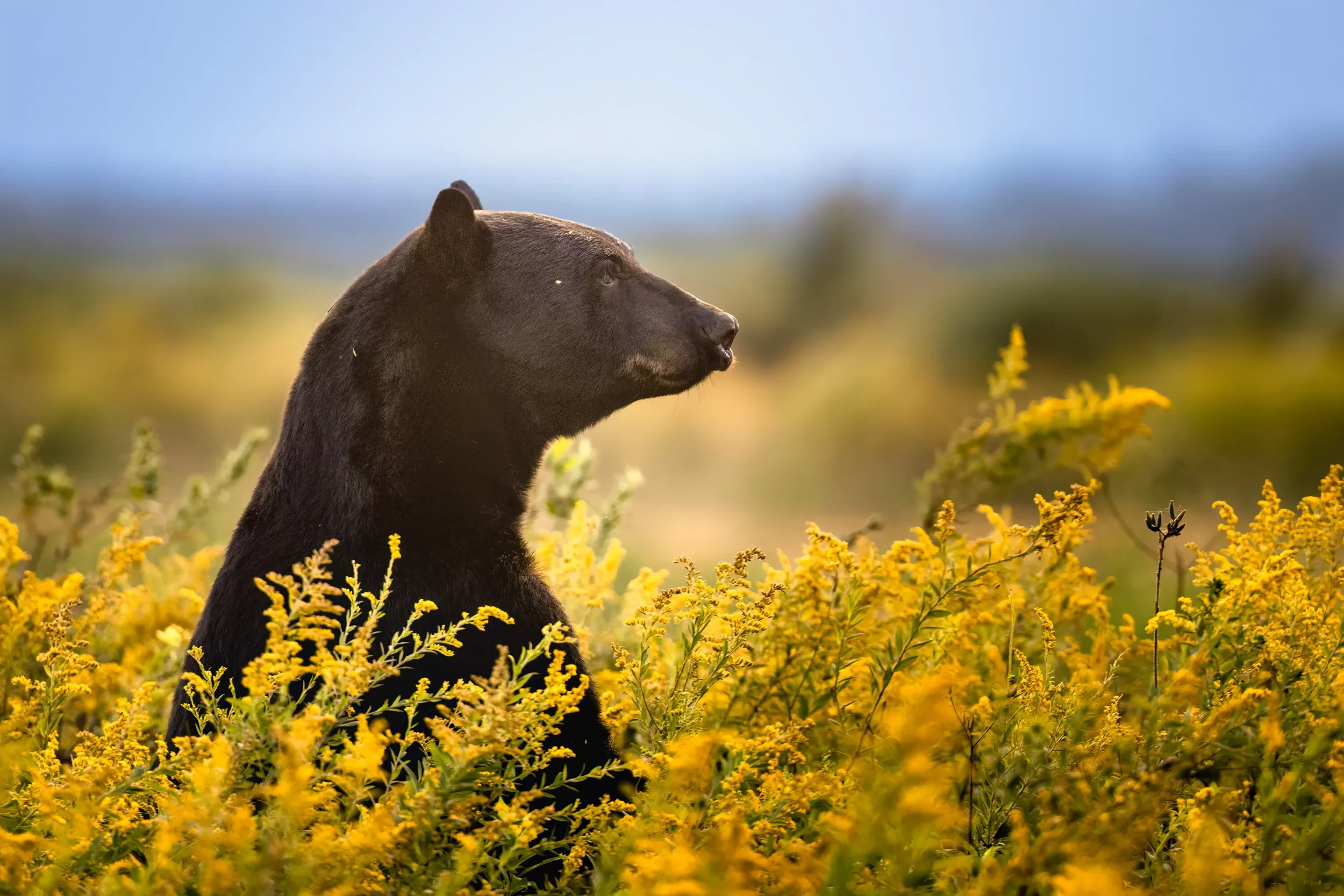

A young black bear cub pauses alone in the tall grass of Cades Cove as spring begins to give way to summer in the Smokies.
“Emerging” became a photograph about transition, independence, and the quiet moments wildlife photography can reveal if we slow down enough to notice them.