
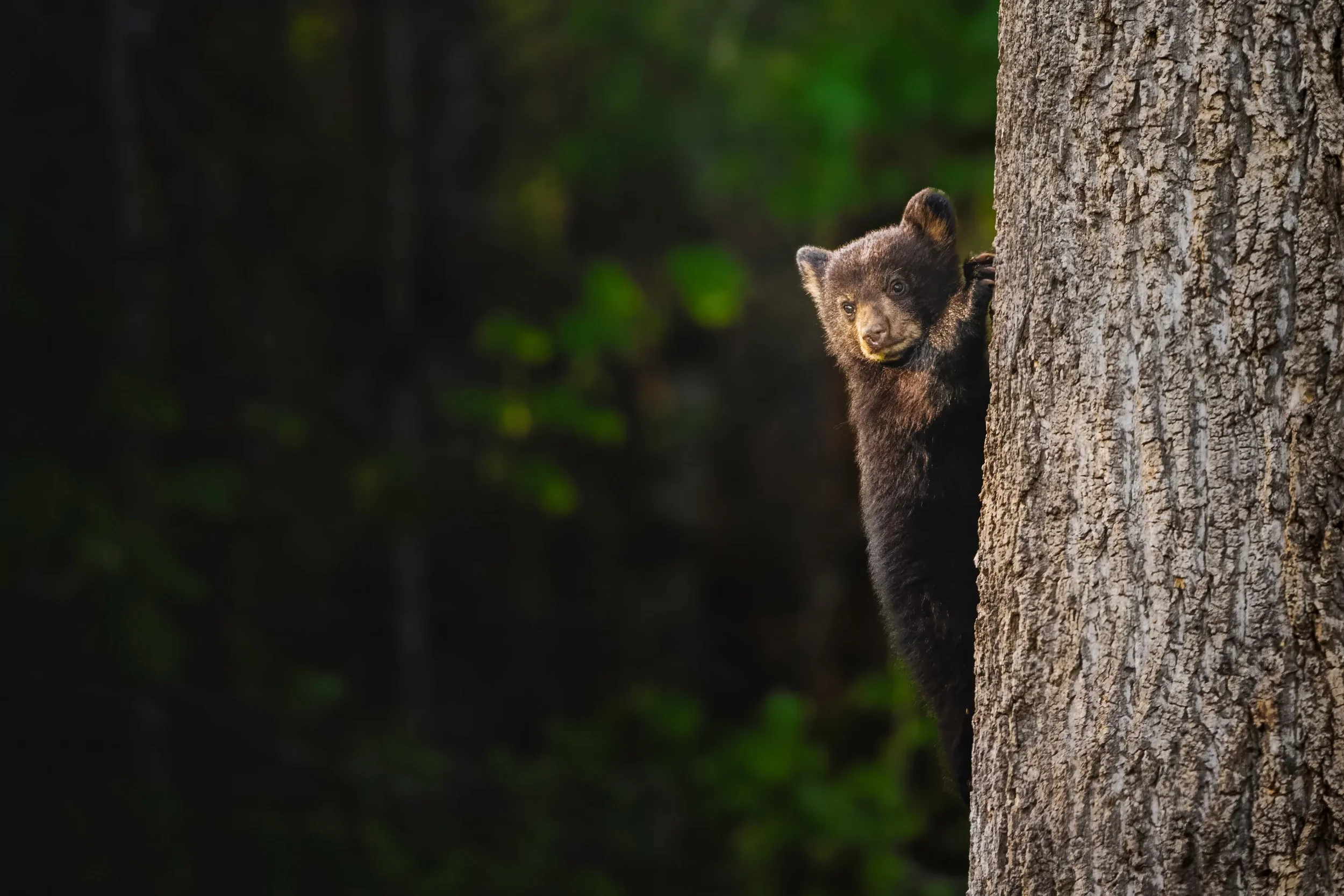
In the fading light of a Smoky Mountain evening, a young black bear cub climbed cautiously up and down the same tree for nearly twenty minutes while its mother fed quietly nearby. There was no dramatic chase, no confrontation, and no moment of explosive action. Most people passing through the park that evening would never have noticed it.
But standing there in the quiet forest, watching the cub hesitate before descending lower each time, there was something deeply familiar in the moment — curiosity, uncertainty, and the slow process of becoming comfortable with the world around it.
Those are the moments that continue to draw me back into wild places.
Modern wildlife photography often celebrates intensity. Scroll through social media long enough and you’ll see dramatic predator encounters, charging animals, massive telephoto closeups, and moments designed to stop people mid-scroll. There is nothing inherently wrong with those images. Many are technically remarkable and incredibly difficult to create.
But over time, I found myself increasingly drawn toward something quieter.
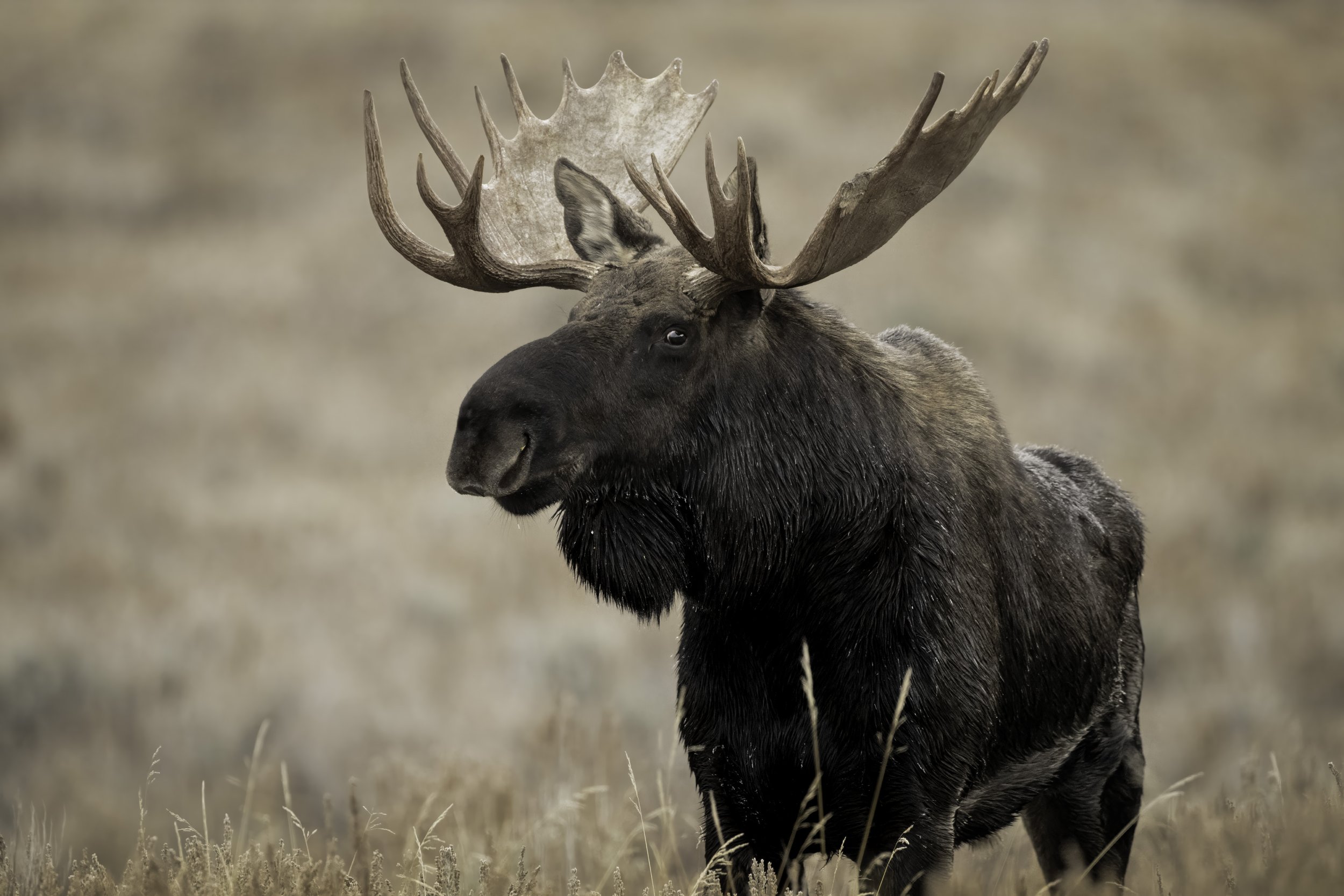
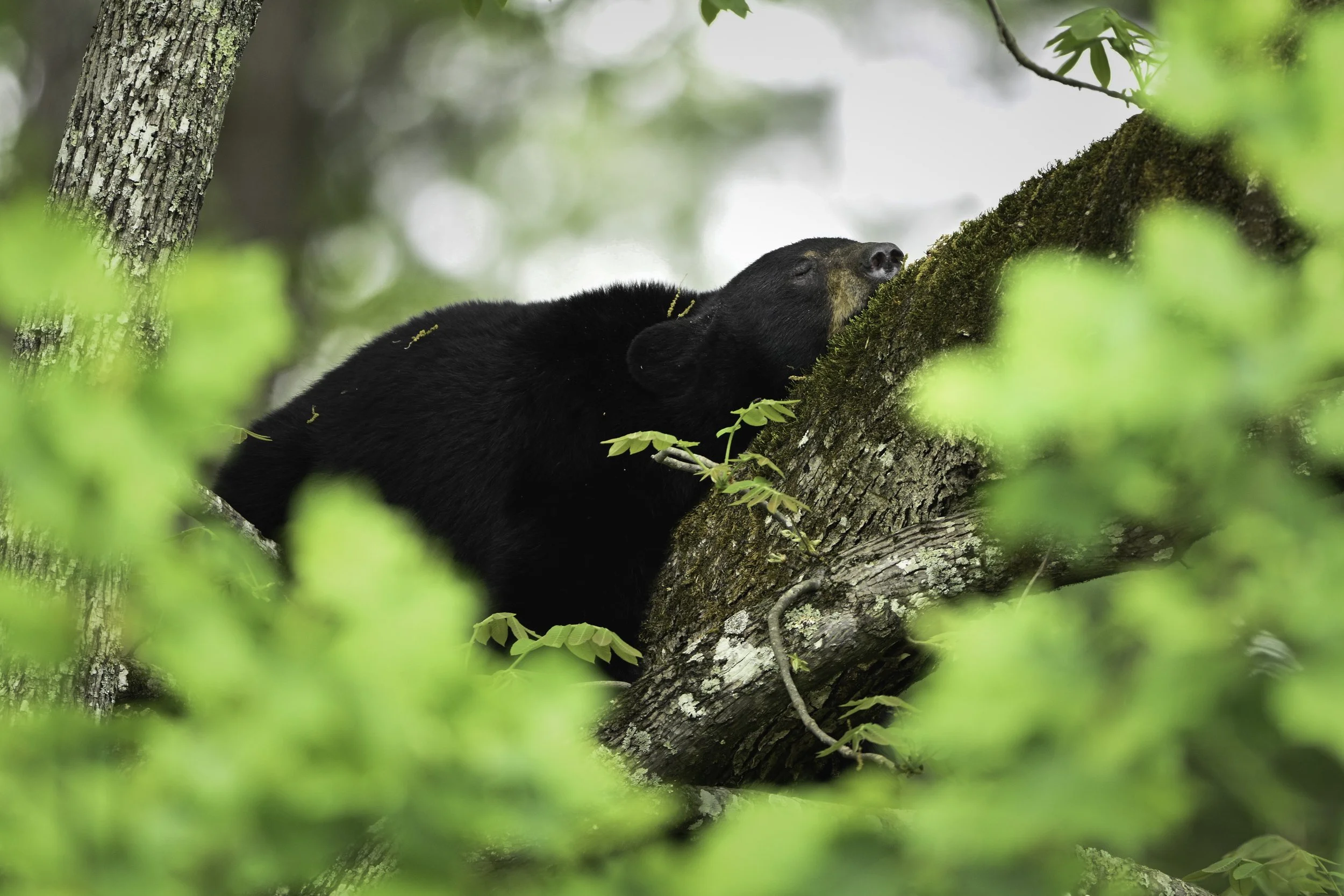
A moose standing motionless in early fog. A burrowing owl watching silently from the edge of a dirt road. The stillness of fresh snow in Yellowstone before sunrise. A black bear resting in the branches of a tree as afternoon light filters through the forest.
These moments may not demand attention in the same way dramatic wildlife behavior does, but they often linger with us longer. They invite us in slowly rather than overwhelming us immediately.
That quiet emotional connection has become the foundation of my approach to fine art wildlife photography.
The natural world does not always reveal itself through spectacle. Often, the most meaningful moments happen in stillness — in subtle gestures, shifting light, patient observation, and brief expressions that feel unexpectedly human.
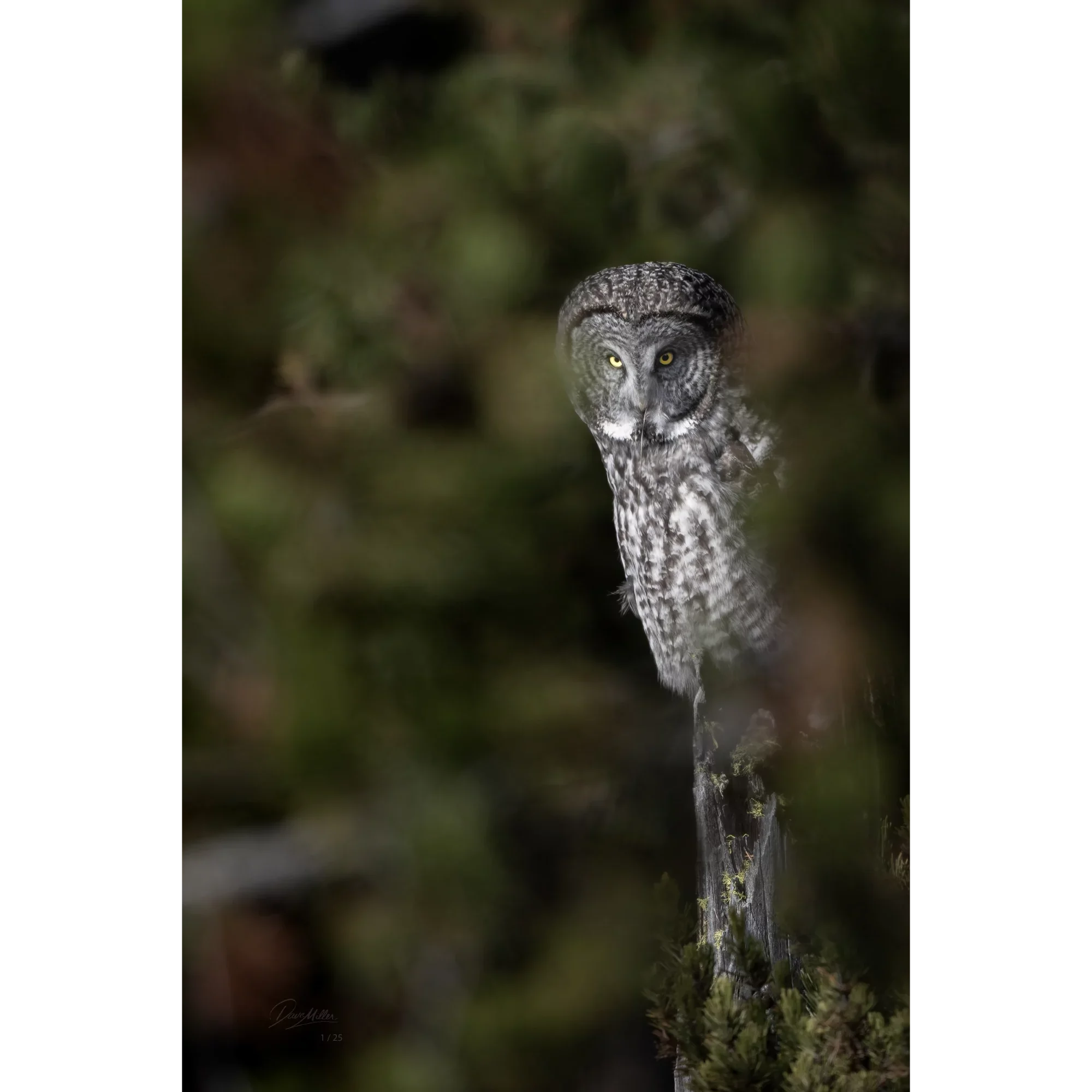
A slight tilt of the head from a great gray owl. A wary glance from a young fox. Two prairie dogs interacting for only a few seconds before disappearing underground again. These moments create emotional connection not because they are rare or dramatic, but because they feel honest.
I think many of us are searching for that feeling now more than ever.
We live in a world filled with noise, urgency, and constant stimulation. Quiet wildlife photography offers something different. It asks people to slow down, observe carefully, and reconnect with a pace that feels increasingly rare.
That philosophy also shapes how I approach photographing wildlife in the field.
Patience matters. Distance matters. Respect matters.
Some of my favorite images have come not from chasing wildlife, but from sitting quietly and allowing animals to settle back into natural behavior. Ethical wildlife photography is not only about protecting animals and habitats — it is also about creating space for authentic moments to happen naturally.
Wildlife always tells us more when we stop trying to force the experience.
Over the years, I have realized that the images I continue returning to are rarely the loudest ones. They are the photographs that create atmosphere and emotional memory. The ones that feel calm, reflective, and deeply connected to place.
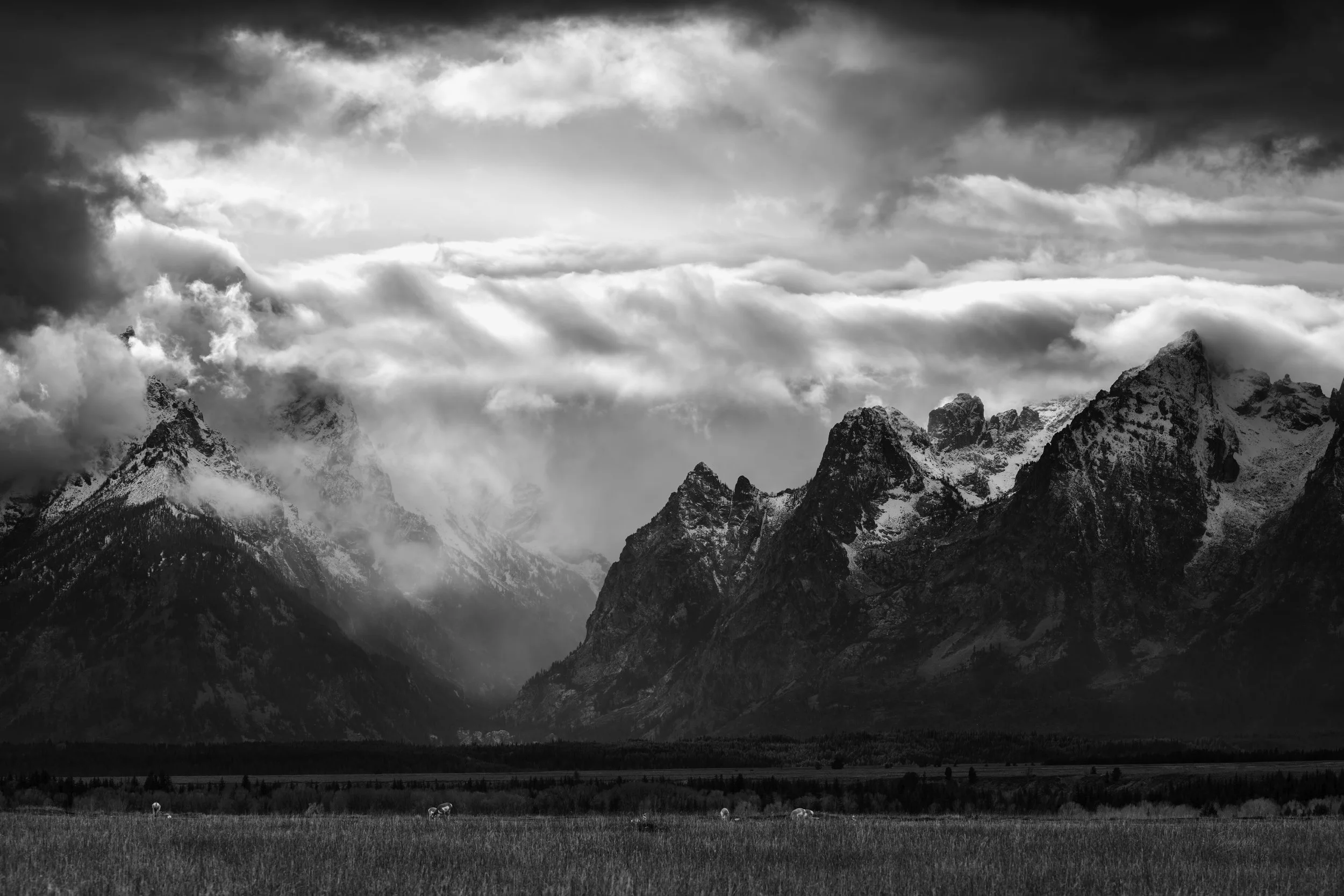
That emotional atmosphere is also what I hope people experience when they bring these images into their homes.
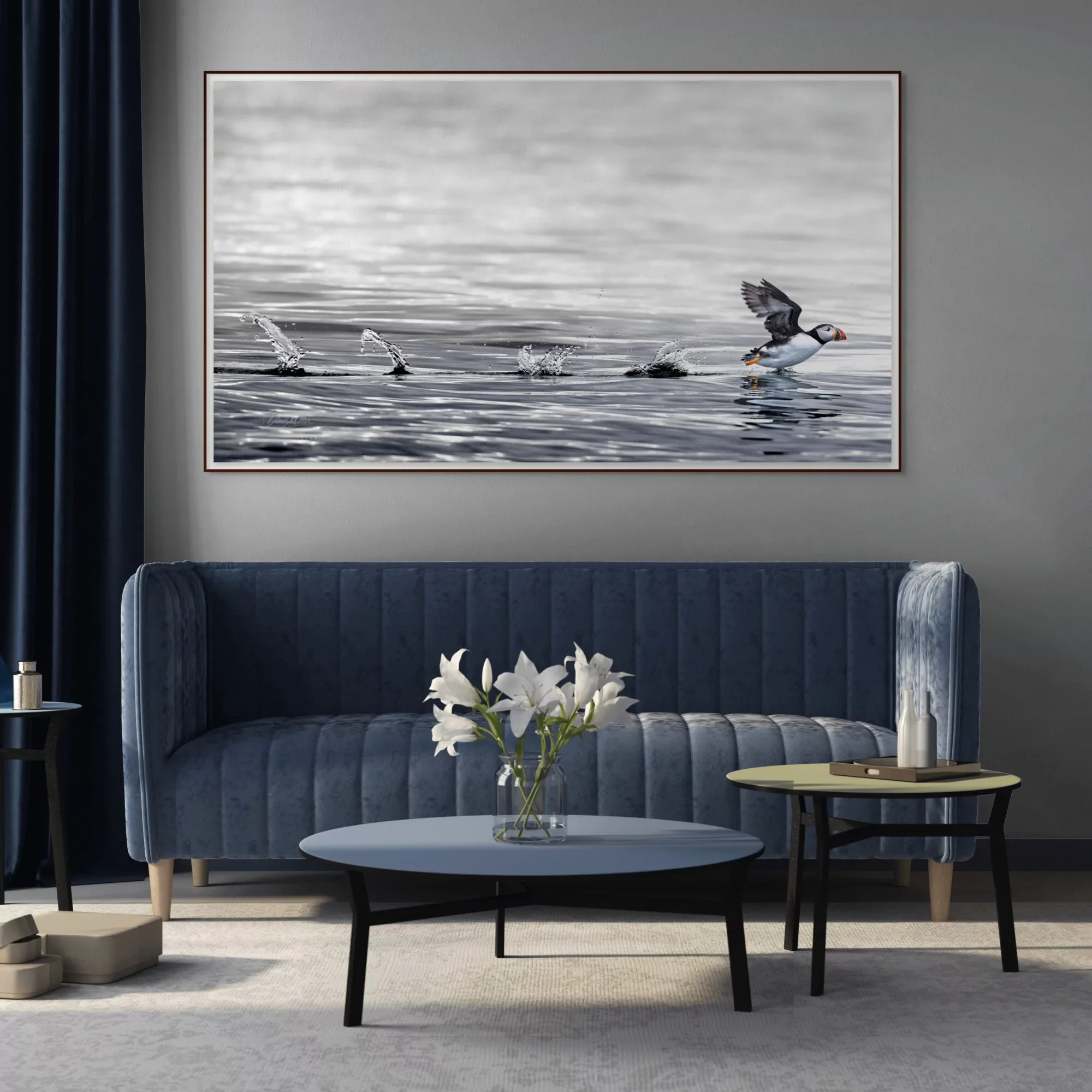
Fine art wildlife photography is not simply about documenting animals. At its best, it becomes part of the environment where people live. A quiet landscape in a bedroom. A moose emerging from morning fog in a hallway. A small wildlife print resting on a shelf or desk. These pieces become reminders of stillness, patience, and connection to the natural world.
Every print I produce is created using museum-quality archival materials designed to preserve both detail and atmosphere for years to come. From the texture of the paper to the subtle warmth of the final print, the physical presentation matters because it shapes how the work is experienced over time.
The goal is never simply decoration.
It is to create artwork that slows a room down.
Some images ask for attention immediately. Others reveal themselves gradually over days, months, and years. I’ve found that the quiet moments tend to stay with us longest.
A bear cub pausing in fading light. Snow drifting through lodgepole pines. The silence of dawn along a river in Yellowstone.
The natural world does not always speak loudly.
Often, the moments we remember most are the quiet ones.